Battery storage
Store electrical energy in batteries for reuse later. After the sun has gone in the evening stored power can be recovered and delivered to supply the demand. If you have sufficient PV output during the day it may be worth installing a larger capacity battery. It is important, because of the cost of battery storage, to establish that you have excess generated energy from your PV system before storage is considered, otherwise the money might be better spent reducing your need or adding more PV.
There are two basically different types, DC coupled and AC coupled:-
- DC coupling basically uses a battery and via your solar inverter supplies you with electricity when the generation has ceased and you start importing from the grid. Using your solar saved energy to supply the load when the PV stops generating - eg. at dusk or during the day when the sun goes behind a cloud. Prices start from around £400/kWh installed. DC coupled is more efficient than AC coupled. Systems can now supply backup in the case of power cuts. Also now available are smart overnight charging packages for cheap low cost electricity.
- AC coupling uses a battery and is independent of your PV system and does the same as the DC coupled, and also has the future possibility of running as a backup should the grid fail. Prices start at around £400/kWh for self-use storage installed. There are also smart overnight storage packages available on some systems to store cheap rate energy for use at perm rate times.
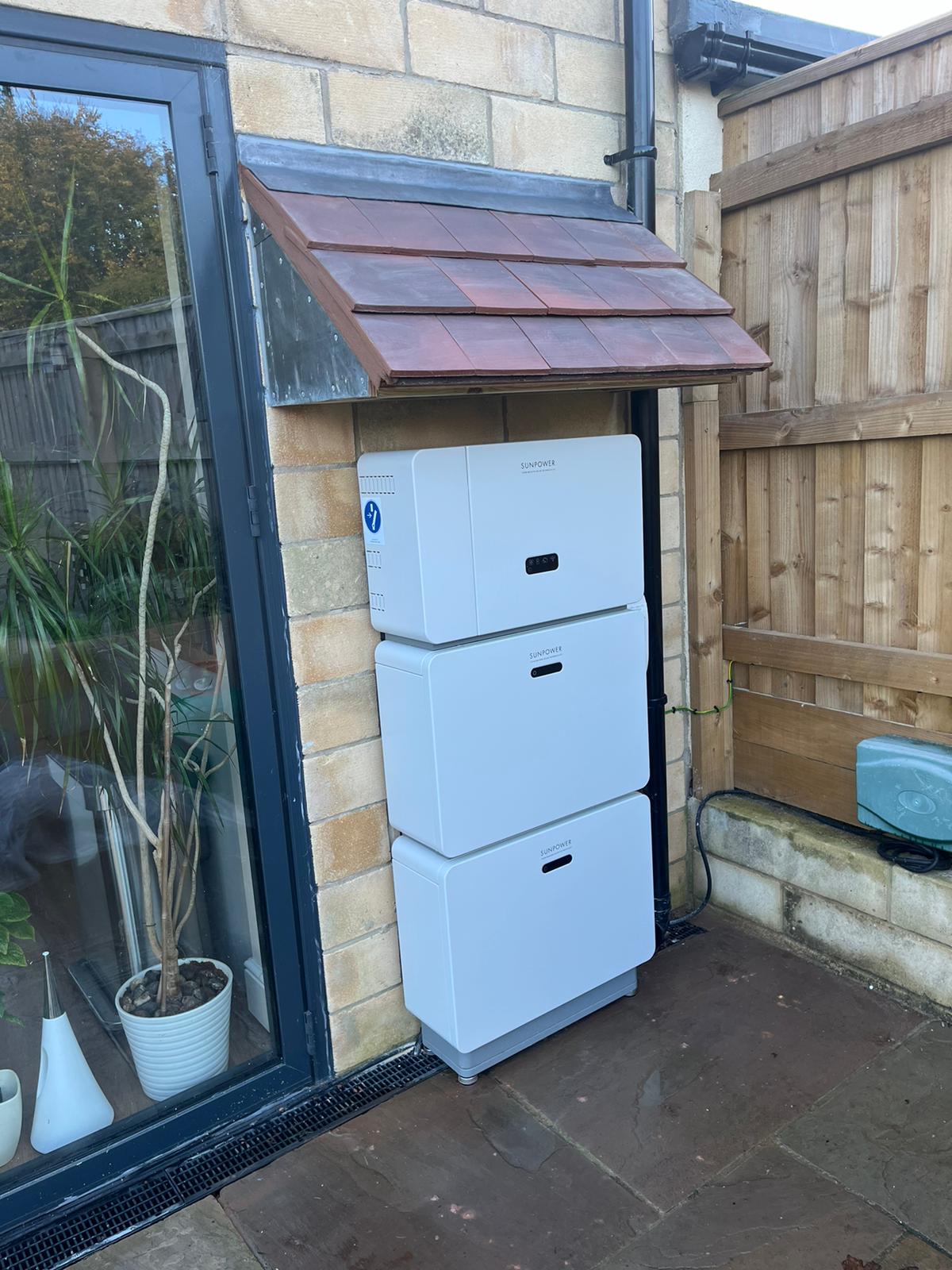
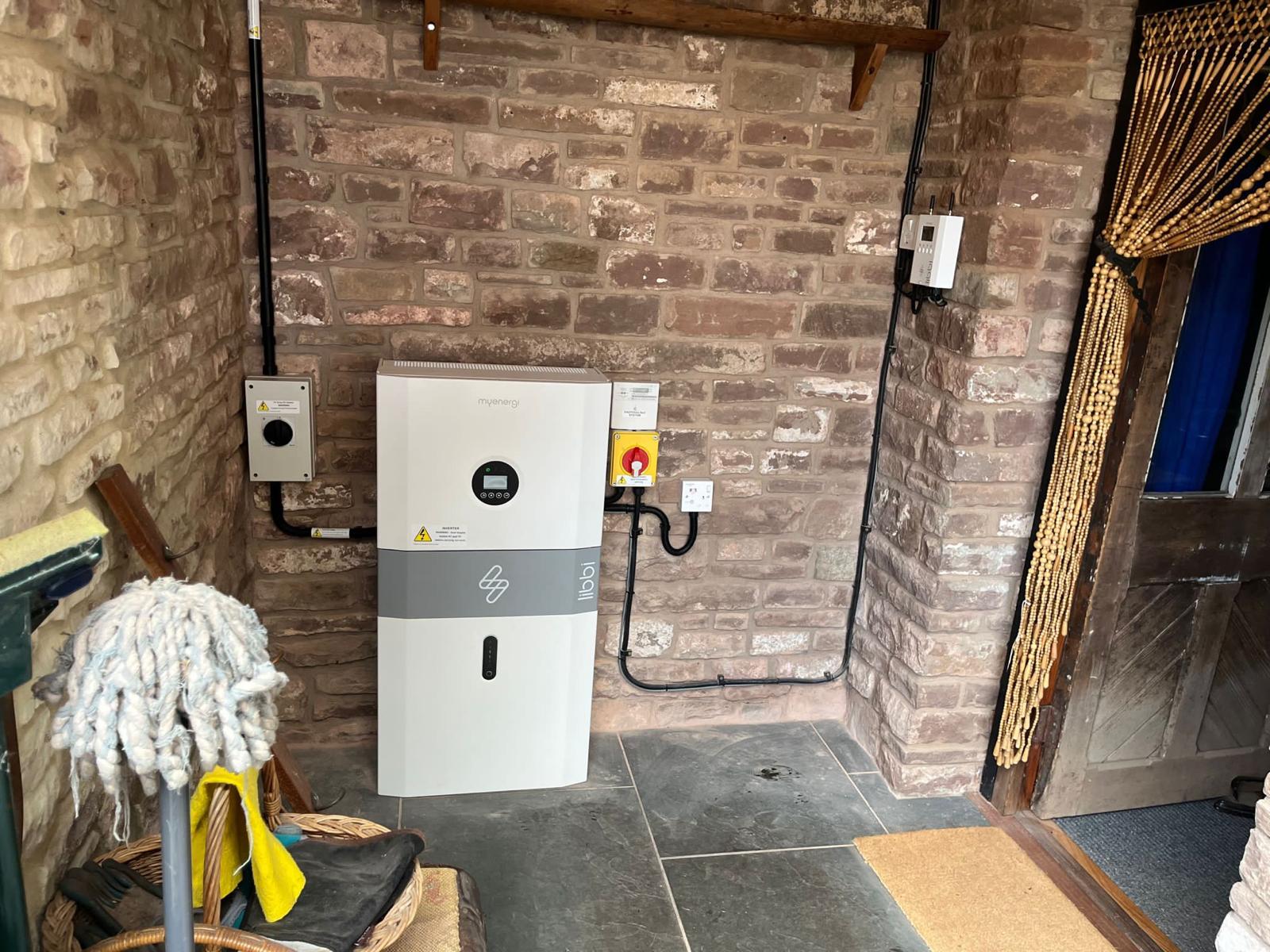
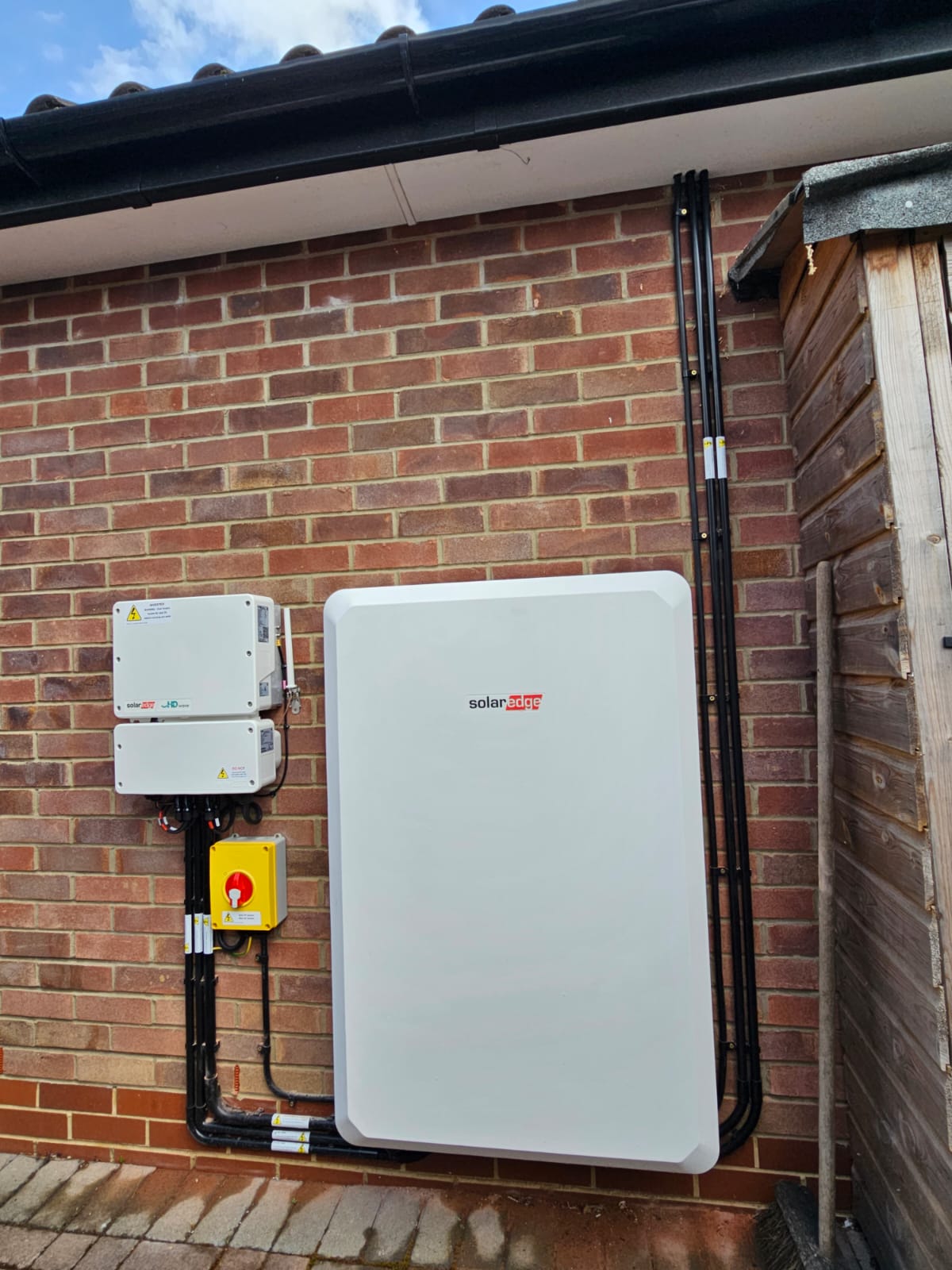
Battery technology is changing and typical storage batteries are Lithium Ion, (expensive but small), Lead acid AGM (cheapest but old technology and bulky) Salt technology (new, expensive and bulky but recyclable).
Following the Government’s termination of the Feed in Tariff it is important to use as much of your own generated energy as possible. These days panels are often oriented to lengthen the generation time, so from February to October east wakes it up earlier in the morning and west keeps it awake longer in the evening. South facing at a steep pitch is best for January and December. Also people are installing larger higher output systems, not necessarily for the summer when demand is often lowest, but for the winter when demand is higher and daylight lengths are shorter and not so bright making outputs lower/panel. Also with the higher efficiency of the panels in lower light levels installation on a north facing roof is possible - after all on a dull winters day it makes no difference which way the panels face.
The customer profile has developed from one who is looking for a return on investment on their money, to one looking to secure their future energy and reduce their outgoings in the future. For energy the most financially secure, and reliable way, is to have your own energy generation. This can be Solar PV, solar thermal, wind or hydro power.
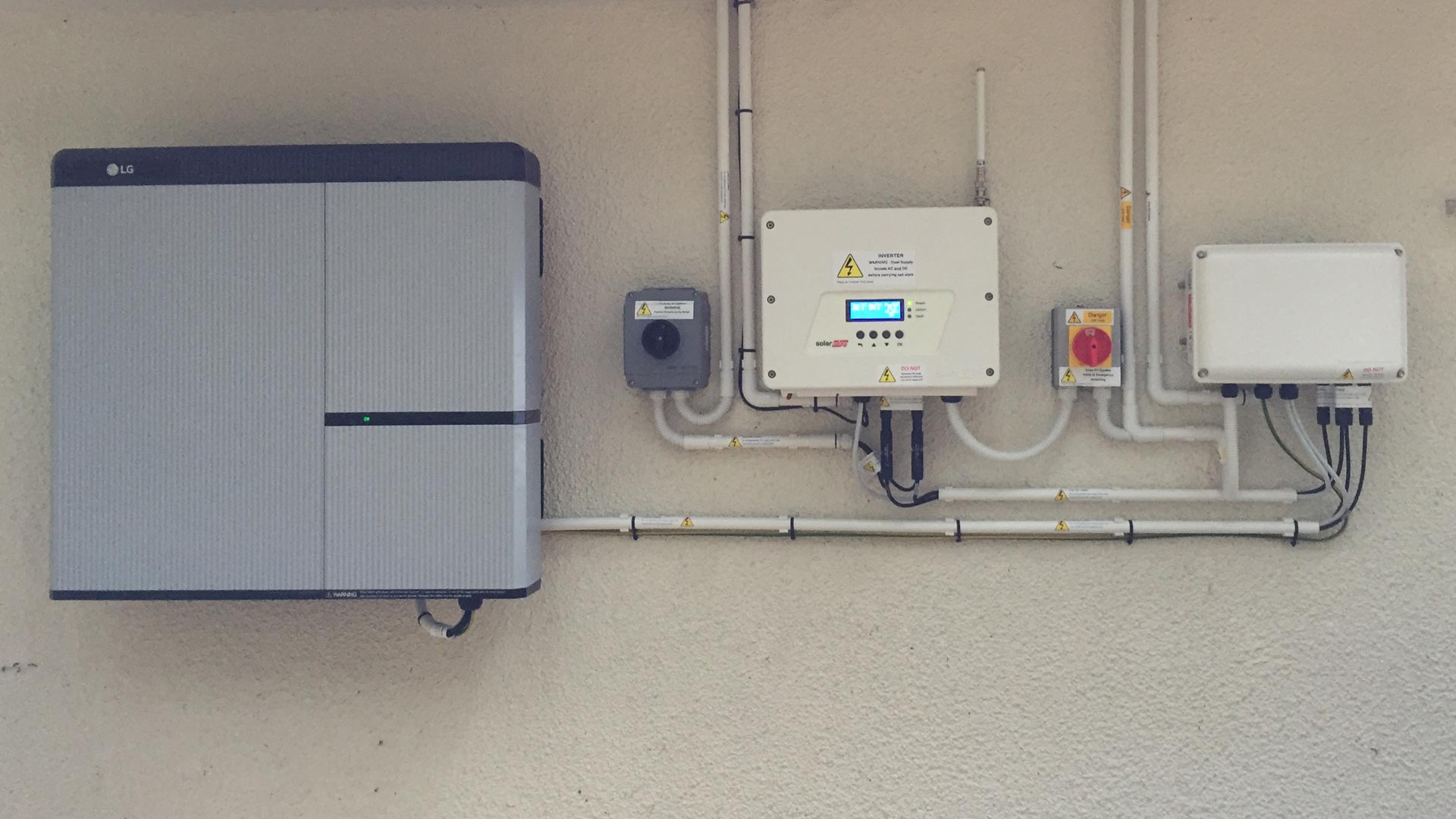
With all the current publicity about possible energy prices rocketing and the uncertainties of supply, there has never been a better time to invest in generating and storing your own energy.
With a 4kw PV system producing about 3,500 kWh a year, a typical summer day produces much more energy than you need but to meet the demand but in December and January you would need a much larger PV array. A storage system will help with spreading your supply to meet your needs when you have excess generation during the day. This could be storage into batteries or storage by dumping the excess into heating water. Either of these techniques makes more use of your own generated energy and can reduce peak demands on the grid, and even better save your daytime generated energy for your own use in the evening. All these are ways of storing your own generated energy for reuse later. With storage batteries it is not really possible to do inter-seasonal but in winter it will supply demand peaks on good generation days, although the day length may be too short to generate much excess. We find that a 10kWh battery is the optimum size for a typical household with a 4kW to 8kW PV system, more can be fitted which is advantageous but this will depend on the amount of generation and the amount of usage and whether you wish to supplement with extra cheap rate storage from the grid. Cheap rate grid storage can be very financially attractive these days.
One advantage of battery storage is that in most cases it can be configured to supply energy in the case of a power cut. This sometimes will require an additional control module but that is not too expensive.
These days most systems we install are bigger than the traditional 4kW, people are wanting more energy particularly in the winter when day, and generation lengths are shorter. When the system is only generation 50% of the summer output its 50% of a higher figure.
We usually only install storage battery outside the dwelling on a non flammable wall - consideration of fire risk.
Currently using your own energy saves, depending on your tariff, around 24-36p/kWh, so using your own energy is a reliable, secure, and predictable investment for the future. It also saves carbon emissions from electricity generated from carbon intensive sources.